Introduction
Skincare designed for skin at its most vulnerable
Every ingredient in an Endoca formulation is selected to help support hydration, comfort and the skin barrier — without artificial fragrance, mineral oil, silicones or harsh detergents.
Healthy skin acts as your body's natural protective barrier. When this barrier becomes weakened, moisture escapes more easily and external irritants penetrate more readily. This can lead to increased dryness, itching, tightness and discomfort during treatment.
A simple skincare routine focused on hydration and barrier support may help improve day-to-day comfort throughout chemotherapy, radiation therapy and recovery.
Skin Changes
Why does cancer treatment affect your skin?
Cancer therapies are designed to target rapidly dividing cells. Healthy cells that renew quickly — including those in the skin, hair, nails and mucous membranes — can also be affected.
The severity and type of skin changes vary depending on the treatment, dosage and individual response. Some people notice only mild dryness, while others develop significant irritation that affects comfort and quality of life.
Common skin changes during treatment may include:
- Dry, dehydrated skin
- Itching and discomfort
- Redness
- Tightness
- Increased sensitivity
- Peeling and flaking
- Cracking
- Changes in skin tone
- Radiation dermatitis
- Hand-Foot Syndrome
- Dry scalp
- Chapped lips
- Fragile nails
Although these reactions are common, a gentle skincare routine can help support the skin barrier, improve hydration and reduce day-to-day discomfort.
Treatment Types
Understanding different cancer treatments
Different cancer treatments affect the skin in different ways. Recognizing what to expect can help you prepare and adapt your daily routine.
Chemotherapy
Chemotherapy circulates throughout the body to destroy rapidly dividing cancer cells. Because skin cells also renew quickly, chemotherapy may temporarily weaken the skin's natural protective barrier.
- Persistent dryness
- Itching and rough texture
- Increased sensitivity and redness
- Flaky skin and fragile nails
- Hair thinning or hair loss
Radiation Therapy
Radiation therapy affects the specific area being treated. Skin reactions often develop gradually throughout treatment and can persist for several weeks afterward.
- Redness and warmth
- Dryness and peeling
- Burning sensations
- Tenderness
- Darkening of the skin
Immunotherapy & Targeted Therapy
Modern cancer treatments may also affect the skin barrier. Because reactions vary significantly, it is always important to follow the advice of your oncology team.
- Rash
- Dryness
- Acne-like eruptions
- Itching
- Increased sun sensitivity
Chemotherapy
Skincare during chemotherapy: a complete daily routine
Chemotherapy affects rapidly dividing healthy cells, so your skin may become thinner, drier and less able to retain moisture. A simple, gentle routine can help support hydration, reduce feelings of tightness and make everyday life more comfortable.
Why does chemotherapy cause dry skin?
Healthy skin constantly renews itself. During chemotherapy this renewal process slows, making it more difficult for the skin to repair itself and maintain moisture. As the protective barrier weakens, water evaporates more easily and irritants penetrate more readily.
- Persistent dryness
- Tightness
- Rough or flaky skin
- Itching
- Increased sensitivity
- Redness
- Small cracks around joints
- Reduced skin elasticity
Your morning routine
Step 1
Cleanse gently
Step 2
Hydrate immediately
Step 3
Protect your face
Step 4
Protect your lips
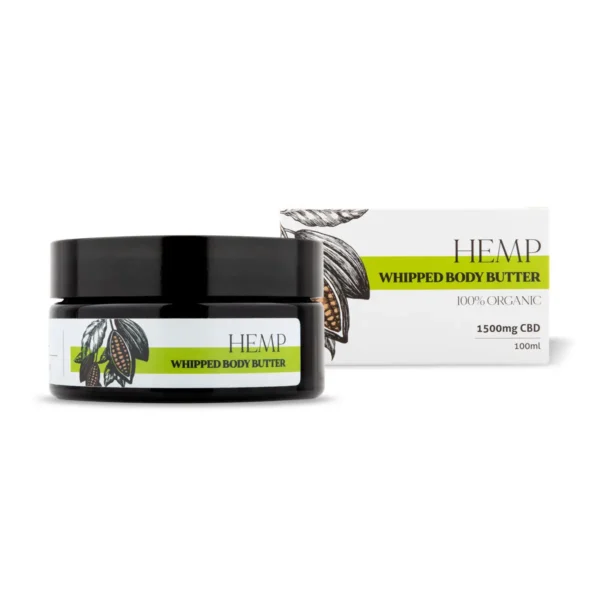
Recommended Product
Oncology Body Lotion (Body Butter)
Deep daily hydration for skin experiencing persistent dryness during treatment.
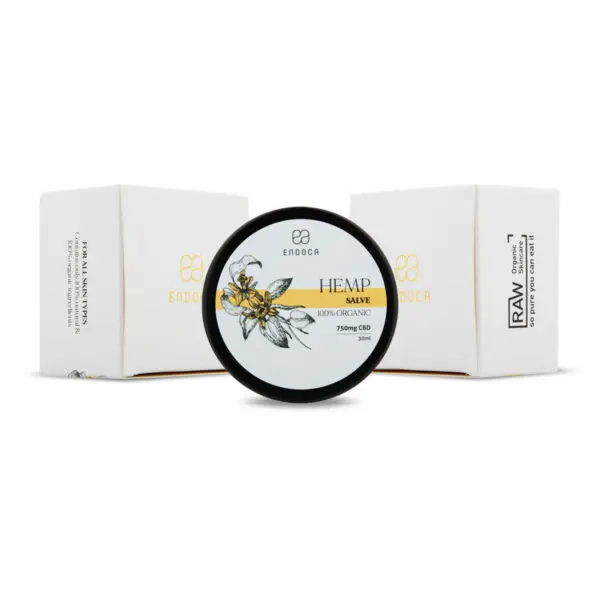
Recommended Product
Oncology Face Cream (Salve)
A gentle botanical salve developed for delicate facial skin requiring lasting moisture and comfort.
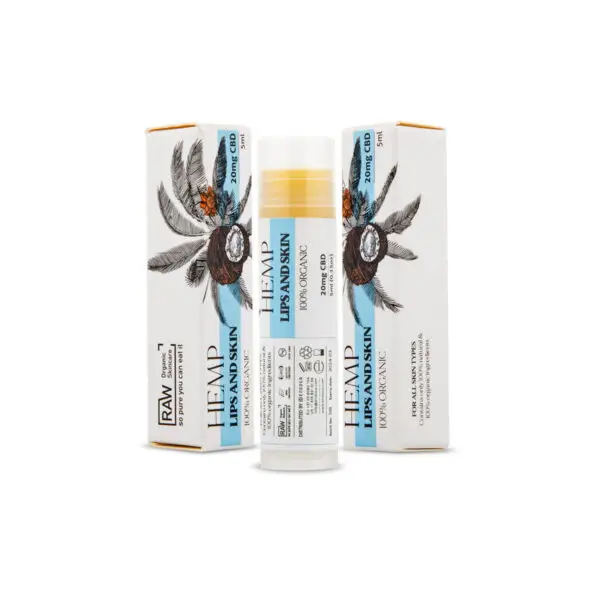
Recommended Product
Soothing Lip Balm (Organic Botanicals)
Organic botanical lip care for dry, cracked lips.
Throughout the day
Stay hydrated according to your healthcare team's recommendations, and reapply moisturizer whenever your skin feels tight. Many people benefit from applying body moisturizer two to four times daily.
Choose natural fabrics such as cotton, bamboo or silk, and avoid rough seams or tight clothing that may increase friction on sensitive skin.
Some chemotherapy medicines increase sensitivity to sunlight. Where possible, wear protective clothing, seek shade, use a wide-brimmed hat and consider broad-spectrum SPF 30–50 sunscreen if recommended by your healthcare team.
Your evening routine
Evening skincare focuses on replenishing moisture lost throughout the day. Wash with lukewarm water, keep bathing short, and massage a rich moisturizer into arms, legs, abdomen, back, neck and chest. Do not forget frequently overlooked areas such as elbows, knees and ankles.
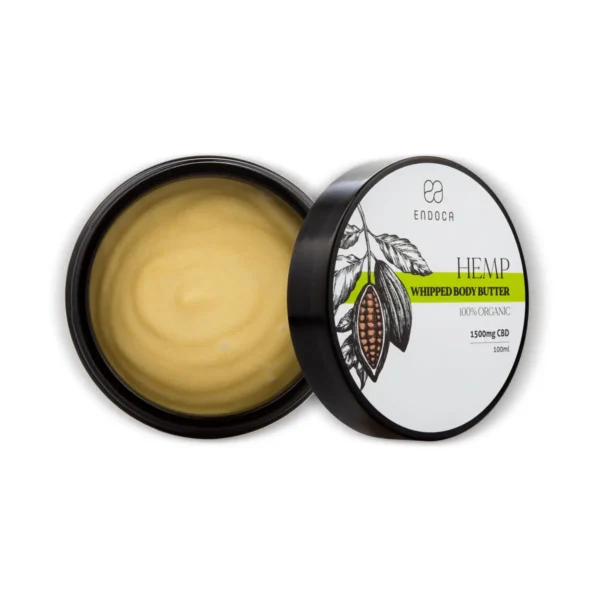
Recommended Product
Hand & Foot Therapy (15% Raw Hemp Oil)
Intensive care for dry, cracked hands and feet requiring extra nourishment.
Ingredients to avoid during chemotherapy
During treatment, less is often more. Common ingredients many people choose to avoid during periods of heightened sensitivity include:
- Retinoids
- Glycolic acid
- Salicylic acid
- Strong exfoliants
- Alcohol-based products
- Artificial fragrance
- Harsh detergents
Quick daily checklist
Morning
- ✓Gentle cleanse
- ✓Oncology Face Cream
- ✓Oncology Body Lotion
- ✓Soothing Lip Balm
- ✓Sun protection when appropriate
Throughout the day
- ✓Stay hydrated
- ✓Reapply moisturizer as needed
- ✓Protect skin from friction
- ✓Wear breathable clothing
Evening
- ✓Gentle cleanse
- ✓Oncology Body Lotion
- ✓Hand & Foot Therapy
- ✓Oncology Face Cream
- ✓Soothing Lip Balm
Radiotherapy
Skin care during radiation therapy
Radiation therapy causes localized skin reactions that often develop gradually. Many people notice changes after the first one to two weeks of treatment, and reactions can persist for several weeks afterward.
Why does radiation affect the skin?
Radiation is designed to destroy cancer cells by damaging their DNA. However, healthy skin cells within the treatment field are also exposed. As these cells renew more slowly, the skin becomes increasingly vulnerable to moisture loss and irritation.
Early skin reactions
- Mild redness
- Warm skin
- Dryness
- Itching
- Tightness
- Increased sensitivity
Later skin reactions
- More noticeable dryness
- Peeling
- Increased sensitivity
- Changes in skin color
- Persistent tightness
Gentle washing & moisturizing
Use lukewarm water and avoid harsh soaps, exfoliating cleansers or washcloths that create friction. Cleanse gently using your hands or a very soft cloth, then pat dry — never rub. Apply moisturizer gently without vigorous massage. If your radiation team has specific instructions regarding timing before treatment sessions, always follow their guidance.
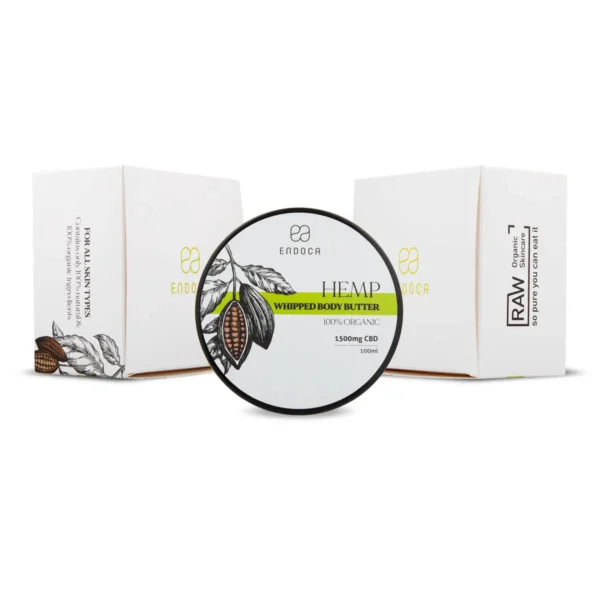
Recommended Product
Radiation Relief Cream (20% Raw Hemp Oil)
A rich botanical cream formulated to help hydrate and comfort skin experiencing dryness, redness and tightness during radiation therapy.
Cooling sensitive skin & reducing friction
Many people experience a sensation of warmth after treatment. Where appropriate, use cool (not frozen) compresses, avoid ice directly on the skin, and allow the skin to cool naturally. Choose loose cotton, bamboo or silk clothing, and avoid tight straps, rough seams, excessive rubbing and adhesive tapes unless medically necessary.
Recommended Product
Radiation Relief Spray (30% Raw Hemp Oil)
A cooling botanical spray with calendula, arnica and oat straw designed to refresh sensitive skin before moisturizing.
Sun protection is essential
Radiated skin becomes much more sensitive to sunlight. Keep treated areas covered, wear lightweight UPF-rated clothing, stay in the shade and follow your healthcare team's recommendations regarding sunscreen on treated skin. Even after treatment ends, the skin may remain more sensitive to UV exposure for many months.
Care after treatment
Skin recovery does not end when treatment finishes. Continue a gentle routine focused on daily hydration, gentle cleansing, sun protection and comfortable clothing. The skin's natural barrier often continues rebuilding long after the final treatment session.
Hand-Foot Syndrome
Hand-Foot Syndrome during chemotherapy
Hand-Foot Syndrome (Palmar-Plantar Erythrodysesthesia) primarily affects the palms and soles, where the skin is exposed to constant pressure and friction. Symptoms range from mild tingling to significant discomfort.
Common symptoms
- Tingling and increased warmth
- Tenderness and mild swelling
- Redness
- Dry, tight skin
- Peeling and cracked skin
- Burning sensations
- Difficulty gripping objects
- Discomfort when walking
Why hands and feet are vulnerable
The palms and soles naturally experience constant pressure, frequent movement, friction, repeated washing and contact with footwear. They also have fewer oil-producing glands, making them more prone to dryness during treatment.
Daily care for hands & feet
Do not wait until the skin feels painfully dry. Apply moisturizer in the morning, after washing, before bed and whenever the skin feels tight. Regular hydration helps support the skin's protective barrier.
Recommended Product
Hand & Foot Therapy (15% Raw Hemp Oil)
Intensive care for dry, cracked hands and feet requiring extra nourishment.
A simple morning, daytime and evening routine
Morning
- ✓Wash gently
- ✓Apply Hand & Foot Therapy
- ✓Wear comfortable footwear
During the Day
- ✓Reapply cream after washing hands
- ✓Avoid unnecessary friction
- ✓Stay hydrated
Evening
- ✓Wash gently
- ✓Apply a generous layer of Hand & Foot Therapy
- ✓Massage into fingers, palms, heels and soles
- ✓Soft cotton gloves or socks overnight if recommended
Nail care during chemotherapy
Nails may become brittle, split, grow slowly or change color during treatment. Keep nails short, avoid biting or picking, wear gloves during cleaning and moisturize around the nails daily.
Hair & Scalp
Hair & scalp care during cancer treatment
Hair loss is one of the most visible side effects of many cancer treatments. While often temporary, changes to the hair and scalp can significantly affect comfort and confidence. Caring for the scalp helps reduce dryness, itching and irritation.
Why hair loss can happen
Hair follicles contain some of the fastest-growing cells in the body. Chemotherapy targets rapidly dividing cells, which means healthy hair follicles may also be affected. Common changes include thinning, hair loss, dry scalp, itching, increased sensitivity, tightness, flaking and changes in new hair texture during regrowth.
Wash gently & hydrate the scalp
Choose a mild shampoo that is sulfate-free, alcohol-free and gentle on sensitive skin. Use lukewarm water, gently massage with your fingertips and pat dry with a soft towel. Without hair, moisture evaporates more quickly — a lightweight botanical oil can help nourish the skin while reducing feelings of dryness.
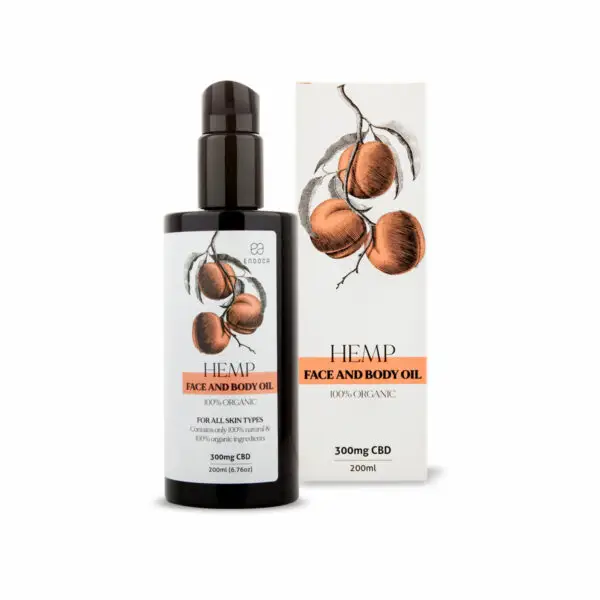
Recommended Product
Soothing Scalp Relief Oil (Face & Body Oil)
A lightweight botanical oil developed to comfort dry, itchy and sensitive scalp during cancer treatment.
Head covering, sun & cold protection
Without hair, the scalp becomes much more exposed. Protect it from direct sunlight, cold weather, dry indoor heating, wind and friction. Soft head coverings made from bamboo, cotton or silk are often the most comfortable. Avoid tight hats that may increase pressure or irritation.
Care during regrowth
For many people, hair begins growing again several weeks after chemotherapy has finished. New hair may initially appear softer, curlier, straighter, lighter or darker — these changes are usually temporary. Continue treating the scalp gently and avoid bleaching, hair dye, perms, chemical straightening and excessive heat styling until your healthcare team advises it is appropriate.
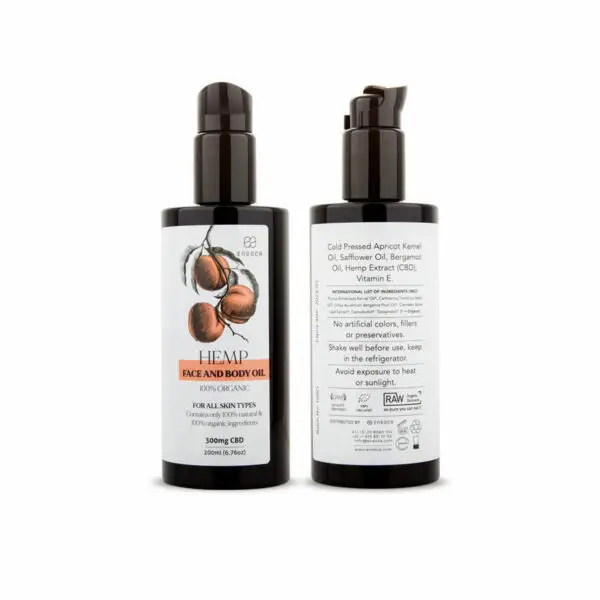
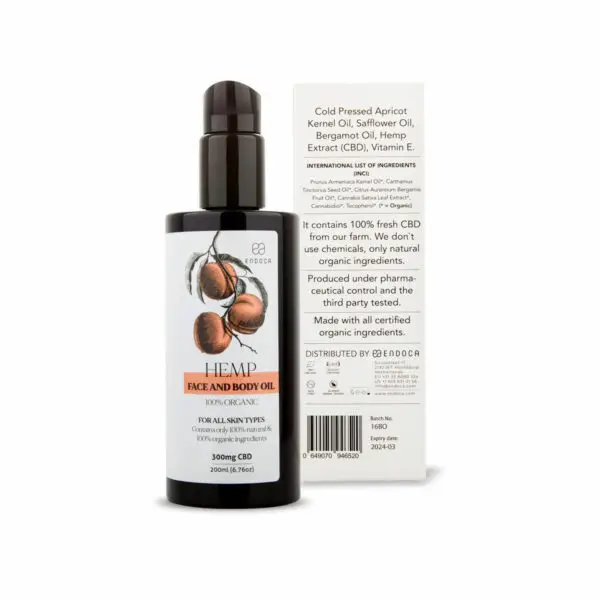
Recommended Product
Soothing Scalp & Hair Growth Oil (Face & Body Oil)
Cooling apricot and hemp oil designed to nourish the scalp and support healthy-looking hair during regrowth.
Eyebrows, eyelashes & emotional wellbeing
Some treatments also affect eyebrows and eyelashes, and the delicate skin around the eyes may become more sensitive. Cleanse without rubbing and moisturize the surrounding skin with a gentle facial moisturizer such as Oncology Face Cream, avoiding direct contact with the eyes.
Hair loss is more than a cosmetic change — it can affect confidence, identity and emotional wellbeing. Simple daily rituals such as cleansing, moisturizing and scalp massage can become meaningful moments of self-care during a challenging time.
Ingredients
The best ingredients for sensitive skin during cancer treatment
When your skin is undergoing the stress of treatment, simplicity often becomes its greatest need. Every Endoca formulation combines organic botanical oils and plant extracts with a minimal ingredient philosophy.
Raw Hemp Oil
Nature's most complete botanical oil
Naturally rich in omega-3 and omega-6 fatty acids, gamma-linolenic acid, plant sterols and Vitamin E. These naturally occurring lipids help support the skin's protective barrier.
Featured in Radiation Relief Cream
Calendula
Gentle botanical comfort
Traditionally used in skincare for dry and delicate skin. Helps care for sensitive skin and supports a healthy-looking barrier.
Featured in Radiation Relief Spray
Arnica
Botanical care for sensitive skin
A mountain flower traditionally used in topical skincare. Contributes to refreshing, lightweight formulations for stressed skin.
Featured in Radiation Relief Spray
Oat Straw
Naturally gentle skin support
Long recognized for its role in caring for sensitive skin. Helps leave skin feeling soft, comfortable and well moisturized.
Featured in Radiation Relief Spray
Apricot Oil
Lightweight daily nourishment
Rich in naturally occurring fatty acids. Absorbs quickly without leaving a heavy residue — particularly suited to delicate scalp care.
Featured in Soothing Scalp & Hair Growth Oil
Chamomile
Comfort for delicate skin
Used for generations in botanical skincare. A popular ingredient in products designed for sensitive skin, complementing nourishing oils.
Featured in Oncology Face Cream
Vitamin E
Antioxidant skin protection
One of the skin's naturally occurring antioxidants. Helps support the skin barrier, protects cosmetic oils from oxidation and conditions dry skin.
Featured in Oncology Body Lotion
Daily Routine
A gentle daily oncology skincare routine
Consistency matters more than volume. This simple morning, daytime and evening rhythm helps skin feel more comfortable throughout treatment.
Morning
01- 1Gentle cleansing with lukewarm water
- 2Face care — Oncology Face Cream
- 3Body hydration — Oncology Body Lotion
- 4Lip care — Soothing Lip Balm
- 5Sun protection when appropriate
During the Day
02- 1Reapply moisturizer as needed
- 2Reduce friction — soft, natural fabrics
- 3Protect the scalp from sun and cold
- 4Hydrate hands and feet
Evening
03- 1Gentle cleansing
- 2Rich body care — Oncology Body Lotion
- 3Hand and foot care — Hand & Foot Therapy
- 4Scalp oil — Soothing Scalp Relief Oil
- 5Lip balm before bed
Products
The Endoca Oncology Support Collection
Every product is developed to support hydration, comfort and the skin's natural barrier — with organic, food-grade botanical ingredients and a minimal ingredient philosophy.
Cream
Radiation Relief Cream
20% Raw Hemp Oil
A rich botanical cream formulated to help hydrate and comfort skin experiencing dryness, redness and tightness during radiation therapy.
Cooling Spray
Radiation Relief Spray
30% Raw Hemp Oil
A cooling botanical spray with calendula, arnica and oat straw designed to refresh sensitive skin before moisturizing.
Body Butter
Oncology Body Lotion
Body Butter
Deep daily hydration for skin experiencing persistent dryness during treatment.
Face Salve
Oncology Face Cream
Salve
A gentle botanical salve developed for delicate facial skin requiring lasting moisture and comfort.
Intensive Therapy Cream
Hand & Foot Therapy
15% Raw Hemp Oil
Intensive care for dry, cracked hands and feet requiring extra nourishment.
Face & Body Oil
Soothing Scalp Relief Oil
Face & Body Oil
A lightweight botanical oil developed to comfort dry, itchy and sensitive scalp during cancer treatment.
Face & Body Oil
Soothing Scalp & Hair Growth Oil
Face & Body Oil
Cooling apricot and hemp oil designed to nourish the scalp and support healthy-looking hair during regrowth.
Lip Balm
Soothing Lip Balm
Organic Botanicals
Organic botanical lip care for dry, cracked lips.
Why Endoca
Pure ingredients. Thoughtfully chosen.
Since 2012, Endoca has produced skincare with organically grown botanical ingredients, careful manufacturing practices and rigorous quality standards. When your skin is at its most vulnerable, simple, nourishing formulations can help maintain hydration and comfort without unnecessary ingredients.
FAQ
Frequently asked questions
Practical answers to the questions we hear most often about caring for skin during cancer treatment.
Medical Disclaimer
Endoca products are cosmetic skincare products intended to support hydration, skin comfort and the skin's natural barrier. They are not medicines and are not intended to diagnose, treat, cure or prevent cancer or any other disease. Skin reactions during cancer treatment can vary significantly. Always consult your oncologist, oncology nurse, pharmacist or dermatologist before introducing new skincare products during treatment. Do not apply cosmetic products to broken, infected, blistered or open skin unless specifically approved by your healthcare team.
- Article author
- Endoca Editorial Team
- Medical reviewer
- To be assigned
- Last updated
- July 2026
- Editorial policy
- Cosmetic skincare guidance only. Content is reviewed for regulatory compliance and does not replace medical advice.
References
Further reading
- National cancer organization — supportive care resources
- Recognized oncology institution — skin care guidance
- Dermatology organization — sensitive skin resources
- Cancer treatment center — patient education
- Supportive-care guidelines for oncology skin reactions
Reference links are editable placeholders. Replace with verified oncology and dermatology sources before publication.