Face
- Morning: cleanse with lukewarm water, apply moisturiser and lip care.
- Evening: cleanse gently, moisturise, add a hydration mask weekly.
Oncology Skincare
Every ingredient is certified organic.
Pure enough to eat. Gentle enough for compromised skin.
Developed to support hydration and the skin barrier when skin feels dry, fragile or irritated.
Supporting comfort for skin during chemotherapy, radiotherapy and immunotherapy.
Always consult your oncology team before introducing new skincare during treatment. Endoca products are cosmetic and are not intended to diagnose, treat, cure or prevent any disease.
Why skin changes
Chemotherapy, radiotherapy and immunotherapy work in different ways, but many share a common side effect: they can place temporary strain on the skin's natural barrier. That's why so many people notice their skin behaving differently during treatment — even if it was resilient before.
A gentle daily skincare routine can help maintain hydration and support the skin's natural barrier through this period.
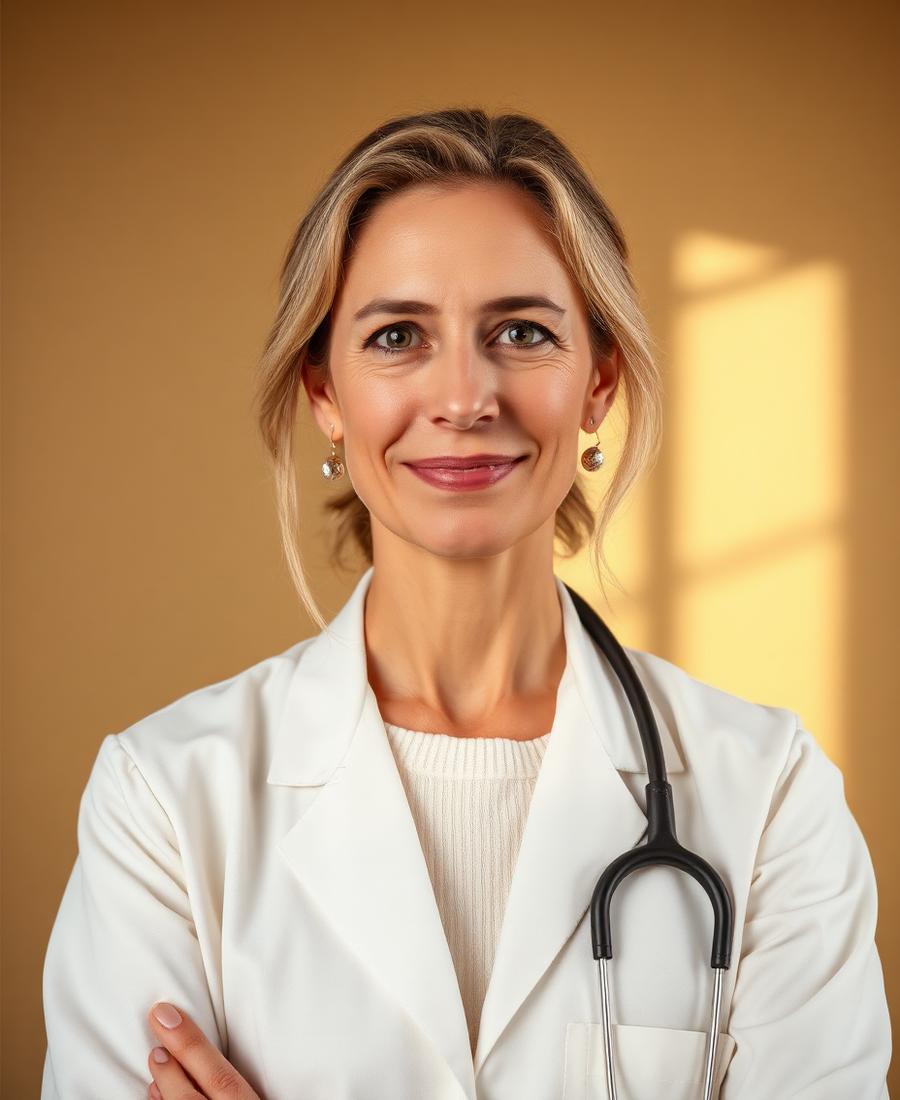
Dermatologist perspective
“There are different requirements depending not only on whether an individual is undergoing chemotherapy or radiotherapy, but also the specific type of treatment. The skin can become particularly sun-sensitive or develop acne-like eruptions. I recommend using gentle skincare developed specifically for highly sensitive skin, with simple formulations that help calm and hydrate without disrupting the skin barrier.”
Daily care ritual
A simple, repeatable ritual is often easier to sustain during treatment. Consistency and gentleness matter more than volume.
The collection
Each formula is minimal by design, using organic botanicals and food-grade oils to support comfort during treatment.
Cream
Fast-absorbing cream formulated with 20% Raw Hemp Oil to help hydrate and comfort skin experiencing dryness, redness, itching and tightness associated with radiation therapy. Helps support the skin's natural barrier and daily skin comfort.
Cooling Spray
Cooling botanical spray formulated with 30% Raw Hemp Oil, calendula, arnica and oat straw. Designed to provide an instant cooling sensation and prepare sensitive skin before applying Radiation Relief Cream.
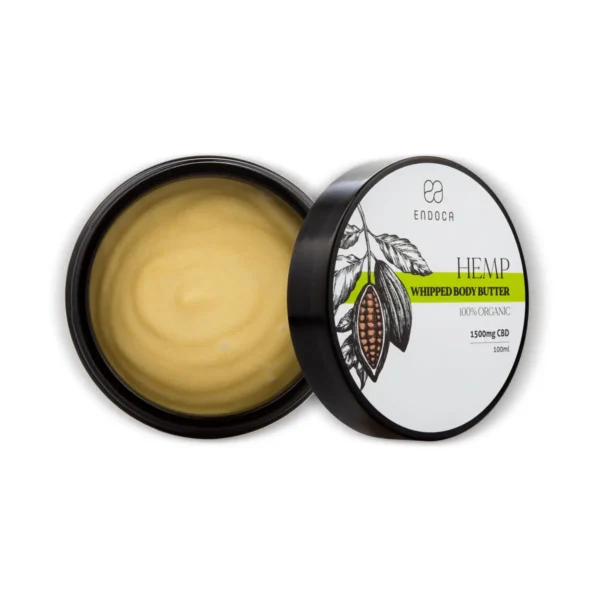
Body Butter
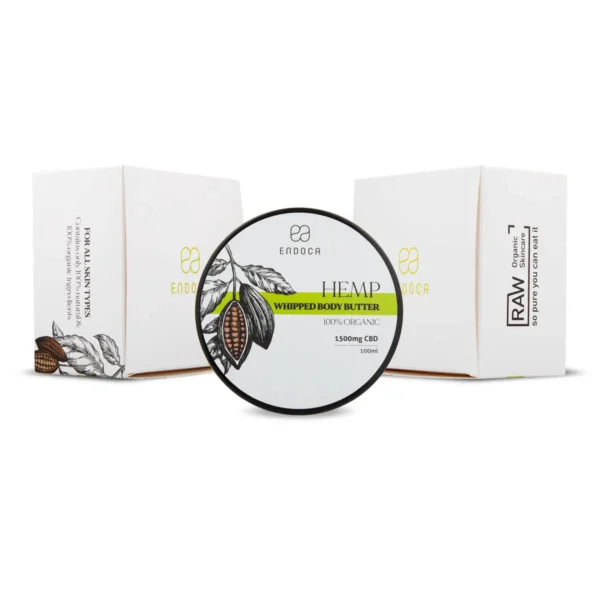
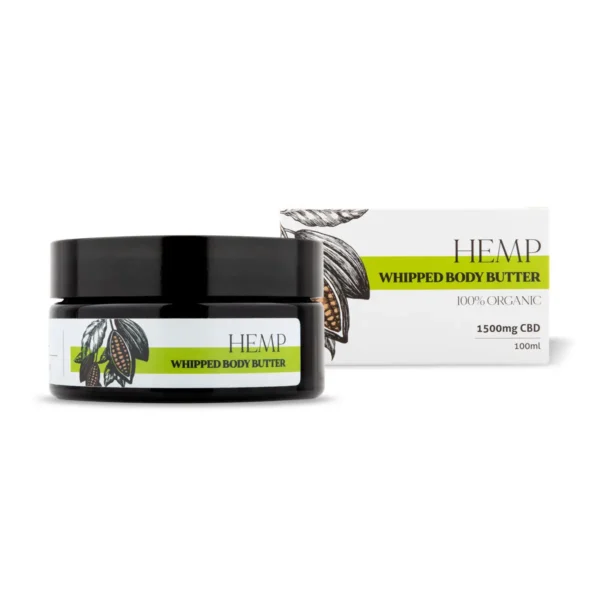
Rich botanical body butter developed to deeply moisturize skin experiencing dryness and irritation during chemotherapy while supporting long-lasting hydration and the skin's natural barrier.
Intensive Therapy Cream
Botanical-rich cream containing 15% Raw Hemp Oil, developed to provide intensive care for cracked, dry and uncomfortable hands and feet. Especially suitable for areas affected by Hand-Foot Syndrome.
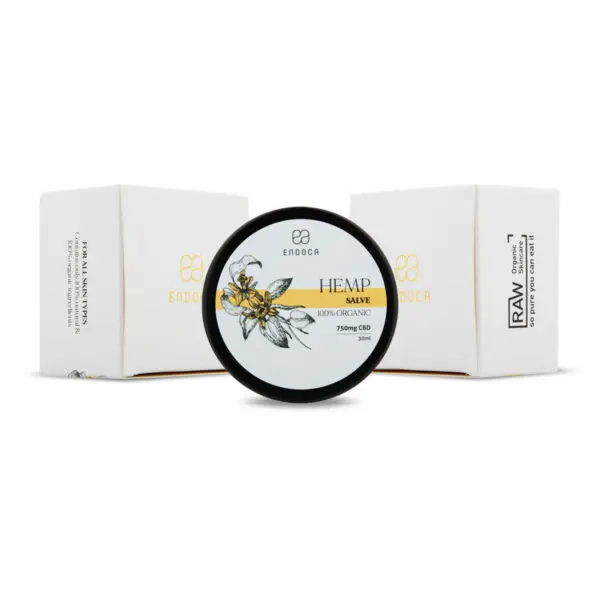
Face Salve
Gentle botanical salve developed to deeply moisturize sensitive facial skin. Helps support the skin barrier while providing long-lasting hydration and comfort for skin that feels dry or fragile.
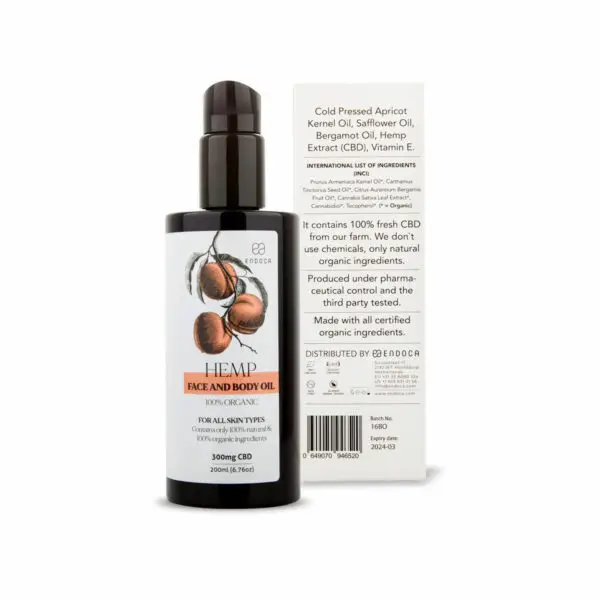
Face & Body Oil
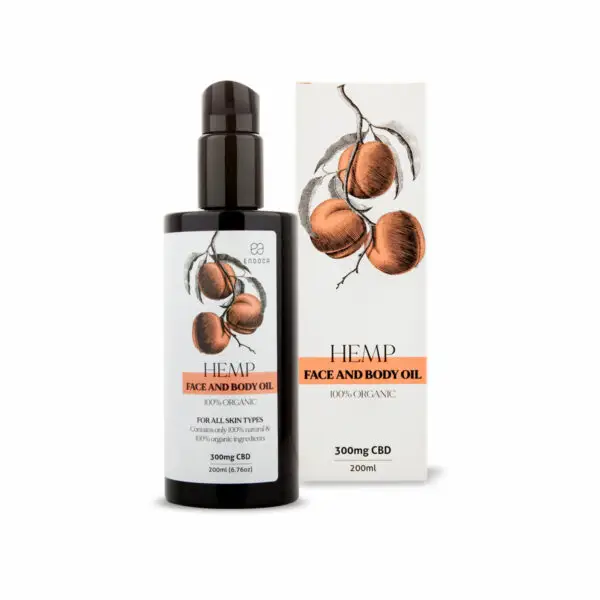
Nourishing botanical oil formulated to comfort dry, itchy scalp and sensitive skin while providing lasting moisture and helping reduce feelings of irritation associated with treatment-related skin sensitivity.
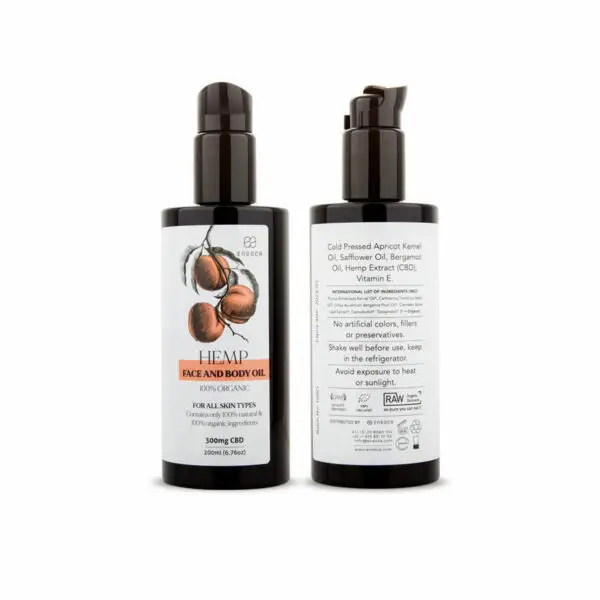
Face & Body Oil
Cooling, non-greasy apricot oil enriched with hemp-derived botanical ingredients to nourish the scalp, help relieve feelings of dryness and support healthy-looking hair after treatment.
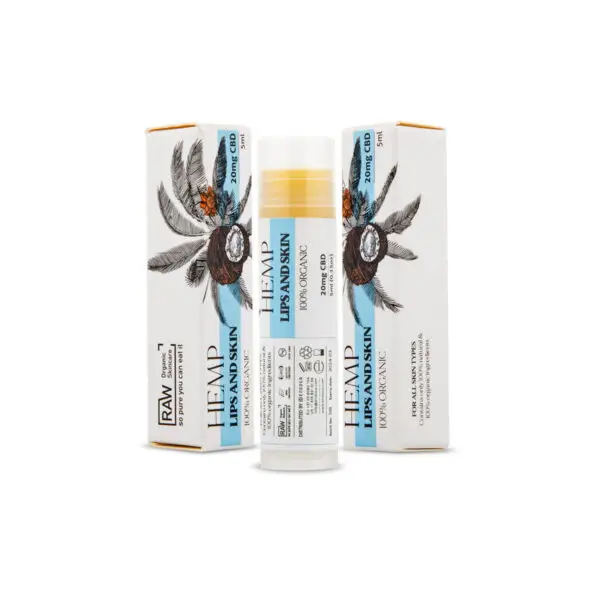
Lip Balm
Natural lip balm made with organic, plant-based ingredients to moisturize, comfort and protect dry or chapped lips throughout the day.
Nature's pharmacy
Every ingredient in an Endoca formula earns its place. We choose organically grown botanicals with a long history of use on delicate skin, and combine them in the smallest number possible.
Why Endoca
Founded in Denmark with an organic, food-grade philosophy.
Established European organic hemp farming partnerships.
Full transition to GMP-certified manufacturing.
Dedicated sensitive-skin skincare research programme.
Minimal-ingredient formulas for the most delicate skin needs.
“If you start by taking care of yourself, the rest will follow.”
Educational guide
Cancer treatment can be physically and emotionally demanding, and the skin often carries some of that load. Chemotherapy, radiotherapy, immunotherapy and targeted therapies each affect the body differently, but many share one thing in common: they can make the skin drier, more sensitive and more reactive than usual. Understanding why this happens — and how a considered daily routine can help — is one of the small, empowering steps many patients take alongside their medical care.
The outer layer of the skin, the epidermis, renews itself constantly. Many cancer treatments work by targeting rapidly dividing cells, so even though they are directed at cancer cells, they can also influence healthy tissues that renew quickly — the skin, hair follicles and mucous membranes among them. This is one of the reasons dryness, irritation and changes in texture are so commonly reported by patients undergoing chemotherapy, and why the skin over a radiotherapy field can become tender, warm or discoloured after several sessions.
Immunotherapy behaves differently. Because it engages the immune system, some patients notice rash-like eruptions, itching or patches of dryness as their body responds. Targeted therapies can bring their own specific patterns of skin change. In every case, your oncology and dermatology team are the definitive source of advice — and they may recommend adjusting your skincare, pausing certain products or introducing new ones as your treatment progresses.
The skin barrier is the thin, protective outer layer that keeps water in and irritants out. When it is intact, skin looks and feels comfortable. When it is stressed — by treatment, cold air, hot showers, harsh cleansers, or friction — water evaporates more quickly and small irritants penetrate more easily. This is often when tightness, flaking and reactivity begin. Supporting the barrier means using gentle, hydrating products consistently, and avoiding anything that could strip it further.
Many patients find that a minimalist, fragrance-free routine becomes their most reliable ally during chemotherapy. Cleanse gently with lukewarm water and a mild, non-foaming wash; moisturise while skin is still slightly damp; and reapply on the hands, elbows, shins and any area that feels dry throughout the day. Sun protection matters — chemotherapy can heighten sun sensitivity, so daily broad-spectrum SPF and physical protection (hats, long sleeves, shade) become part of the routine even in winter.
Chemotherapy-induced dry skin is one of the most common complaints, and it can appear anywhere on the body. The scalp may feel unusually dry, particularly during hair changes; the lips may crack more easily; and the hands and feet can become fragile. A minimal ingredient philosophy — few, well-chosen botanicals — often reduces the risk of unexpected reactions.
Radiotherapy is delivered to a specific area, so the skin over the treatment field is what typically requires the most care. Your radiation team will give you clear, up-to-date guidance — always follow it. In general, gentle cleansing, patting dry (never rubbing), and applying a bland, fragrance-free moisturiser are the pillars. Avoid perfumed products, strong active ingredients, adhesive dressings and anything that could increase friction over the area. If skin reactions develop, your team can advise on appropriate topical care.
Hand-foot syndrome — also known as palmar-plantar erythrodysesthesia — can occur with certain chemotherapy and targeted therapy drugs. It typically appears as redness, tenderness, tingling or peeling on the palms and soles. Because these are areas of the body under constant friction and pressure, proactive care can make a meaningful difference to comfort.
Practical steps often recommended by oncology nurses include avoiding hot water and prolonged heat, limiting friction (long walks, tight shoes, vigorous scrubbing), and applying a rich, fragrance-free balm to hands and feet several times a day. Cotton gloves or socks worn overnight over a generous layer of balm can help concentrate hydration where it is needed most. Report any new or worsening symptoms to your medical team promptly — they may adjust your dose or treatment schedule.
Reactive skin is often better served by simpler formulas. Look for hydrators such as glycerin, humectant plant extracts and cold-pressed botanical oils. Emollients like shea butter, cocoa butter and apricot oil help skin feel supple. Antioxidants such as vitamin E round out a considered formulation.
Many patients feel more comfortable avoiding synthetic fragrance, high concentrations of essential oils, alcohol-heavy toners, strong acids, retinoids and mechanical exfoliants during treatment. Always confirm any additions or removals with your medical team, especially when treatments overlap.
The best routine is one you can actually keep. During treatment, energy is precious. A three-step ritual — cleanse, moisturise, protect — is often enough. Keep products within easy reach: a balm on the bedside table, a body lotion by the shower, a lip balm in a pocket. Small acts of care, repeated, add up to meaningful comfort.
Endoca's oncology-oriented range was developed with this philosophy in mind: minimal ingredients, food-grade purity, organic botanicals, and formulas that respect the skin's own rhythms. It is cosmetic skincare — not medicine — but it is made with the seriousness that this moment in someone's life deserves.
Important: The information on this page is educational and is not a substitute for medical advice. Endoca products are cosmetic skincare intended to support skin comfort, help maintain hydration and support the skin's natural barrier. They are not intended to diagnose, treat, cure or prevent any disease. Always consult your oncology team before introducing new skincare during treatment.
Frequently asked
Support hydration, comfort and the skin barrier with premium organic botanical skincare.
Explore the Collection